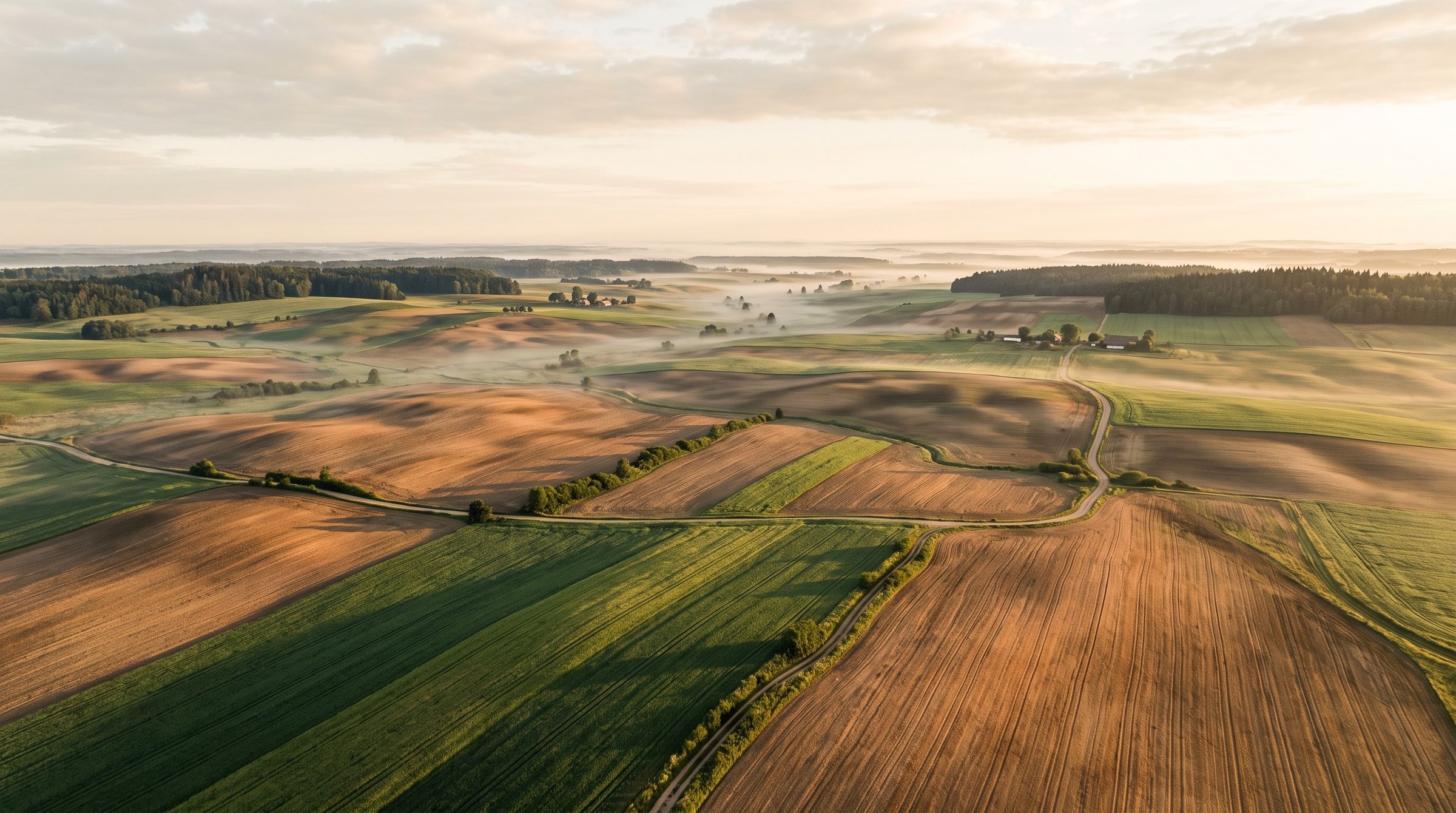
Revitalizing Slovakia's Soil
A student-led initiative working with farm cooperatives in eastern Slovakia on soil health, agroforestry and soil monitoring.
19 928 farms
and falling.
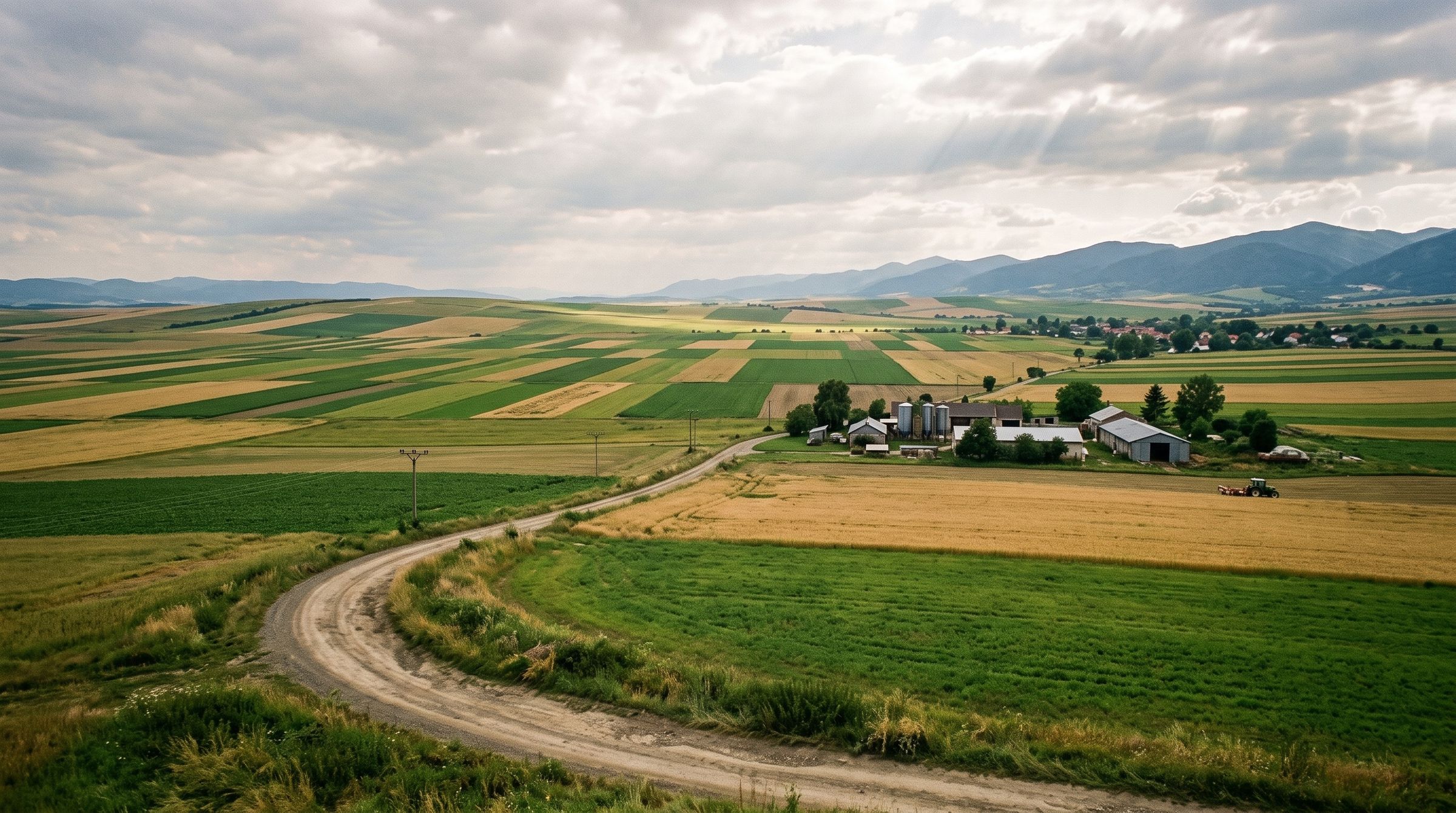
Slovakia lost more than a fifth of its farms in four years.
The country had about 25 600 farms in 2016 and 19 928 in 2020. The managers who remain are aging: 47% are over 55, and only 20% are under 40.1
The soil is in poor shape too. More than 700 000 hectares are compacted, and water has eroded a further 576 000. April 2026 was the driest April since records began in 1881. By early May, 60% of the country was short of soil moisture.2
- 1. SafeHabitus (2025), Technical Note 1: Slovakia. Data: Statistical Office of the Slovak Republic, 2020.
- 2. Šimanský et al. (2022), Frontiers in Sustainable Food Systems. Drought: INTERSUCHO / SHMÚ, 5 May 2026.
farms left in 2020, down from about 25 600 in 2016
19 928of farm managers are over 55. Only 20% are under 40
47%hectares of compacted soil nationwide
700 000+of farms produce under €4 000 a year in standard output
39%Each row is 100 segments. Managers (47%) and under-€4 000 farms (39%) light their exact share; farms and compacted hectares have no stated share, so the row lights in full and the real count sits above it.
Four pillars
Soil, trees, goods and data
Four lines of work on the same partner farms. Agroforestry and soil monitoring come first.
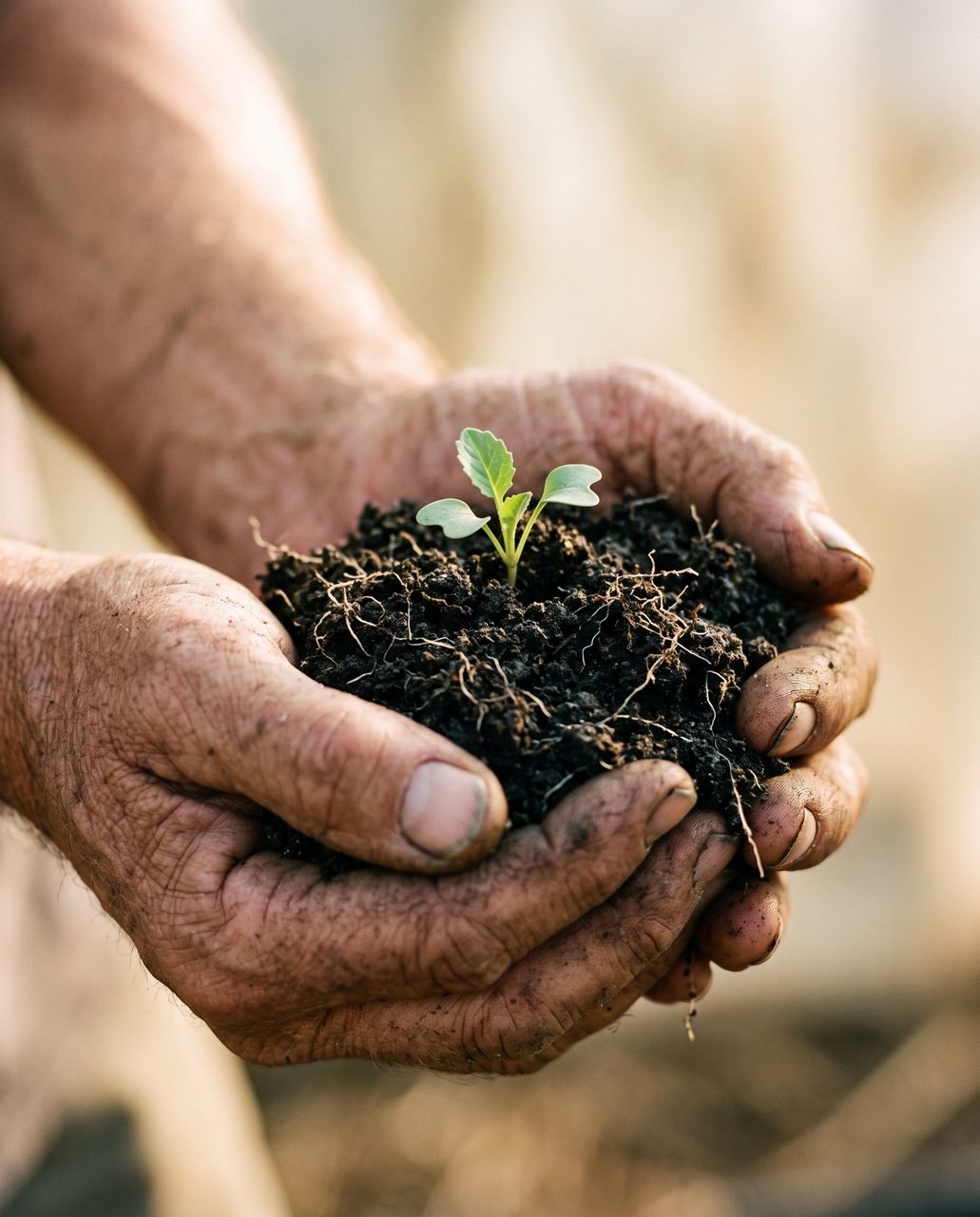
Soil health
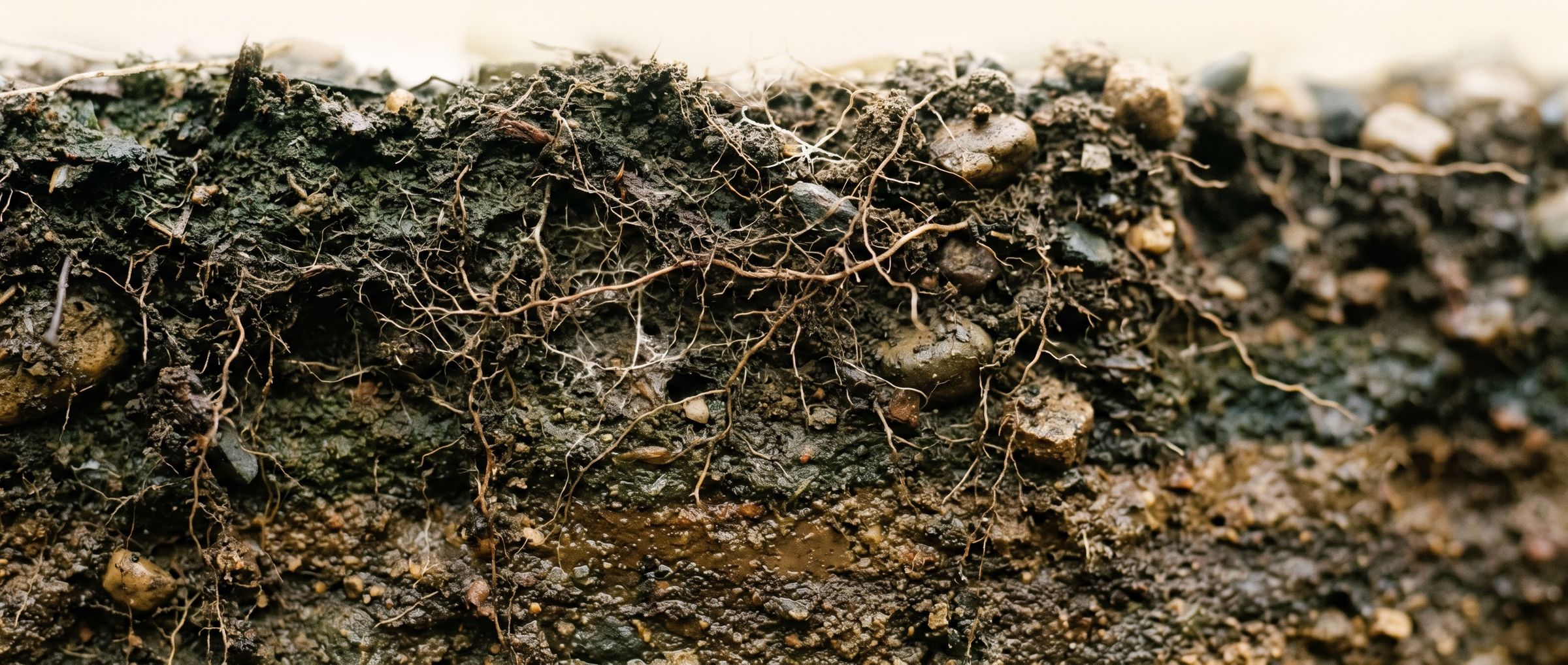
No-till, cover crops, diverse rotations, compost and integrated grazing rebuild the soil and cut input costs.
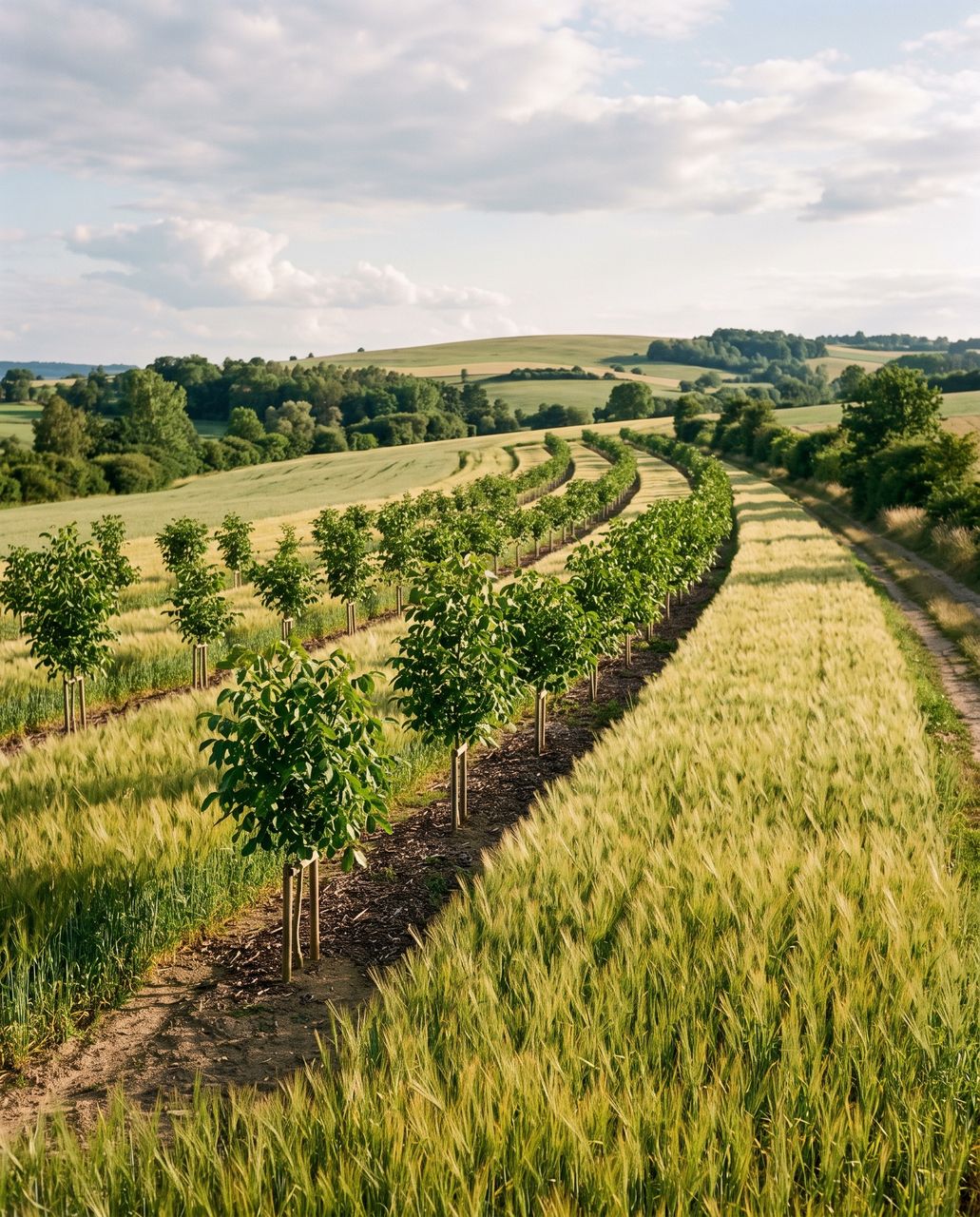
Agroforestry
Tree rows, shelterbelts and alley cropping put trees back into fields, designed around the farm's machinery and its subsidy rules.
High-value goods
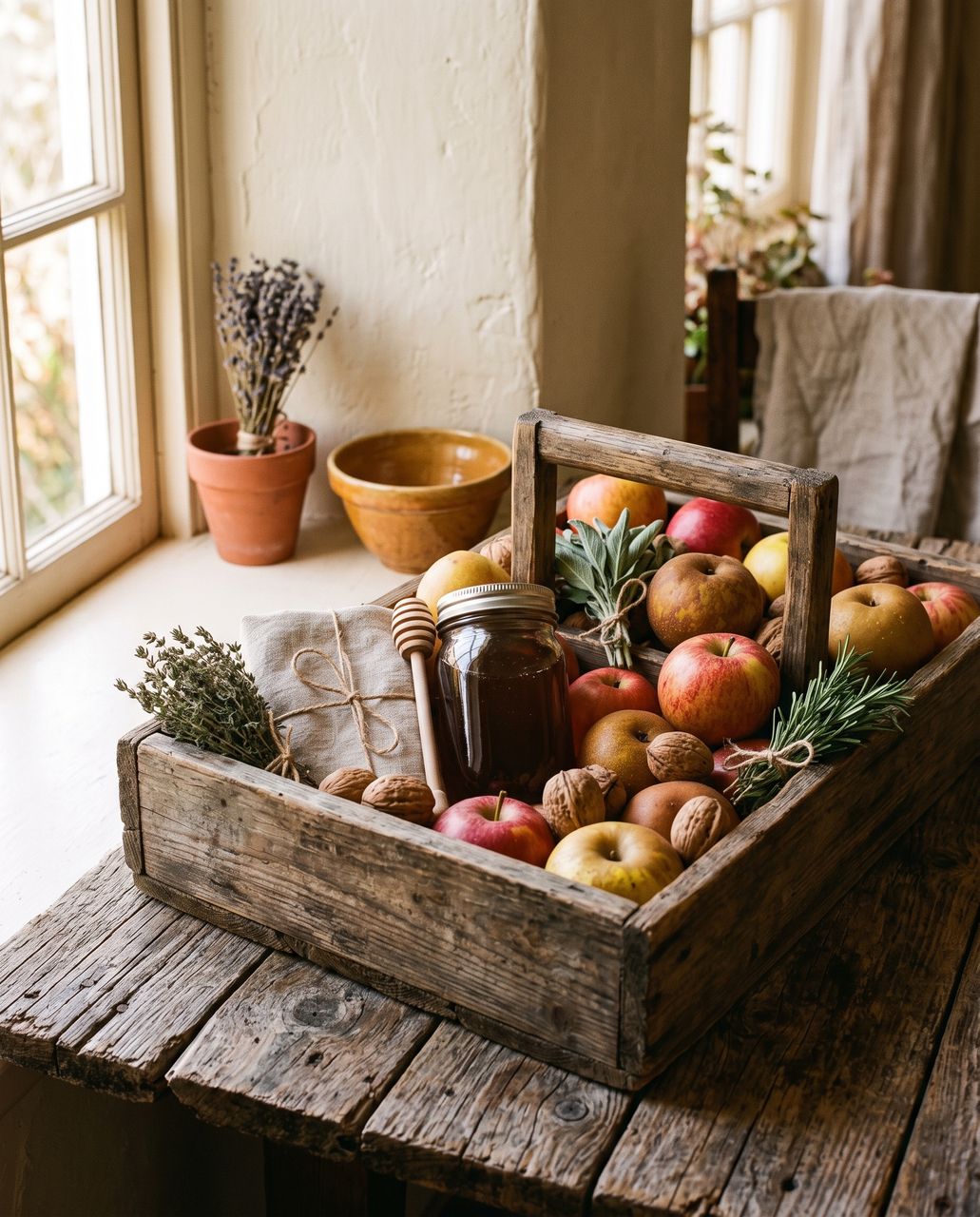
Organic and heritage produce, herbs, nuts and processed specialties can sell into premium and export markets.
Soil monitoring
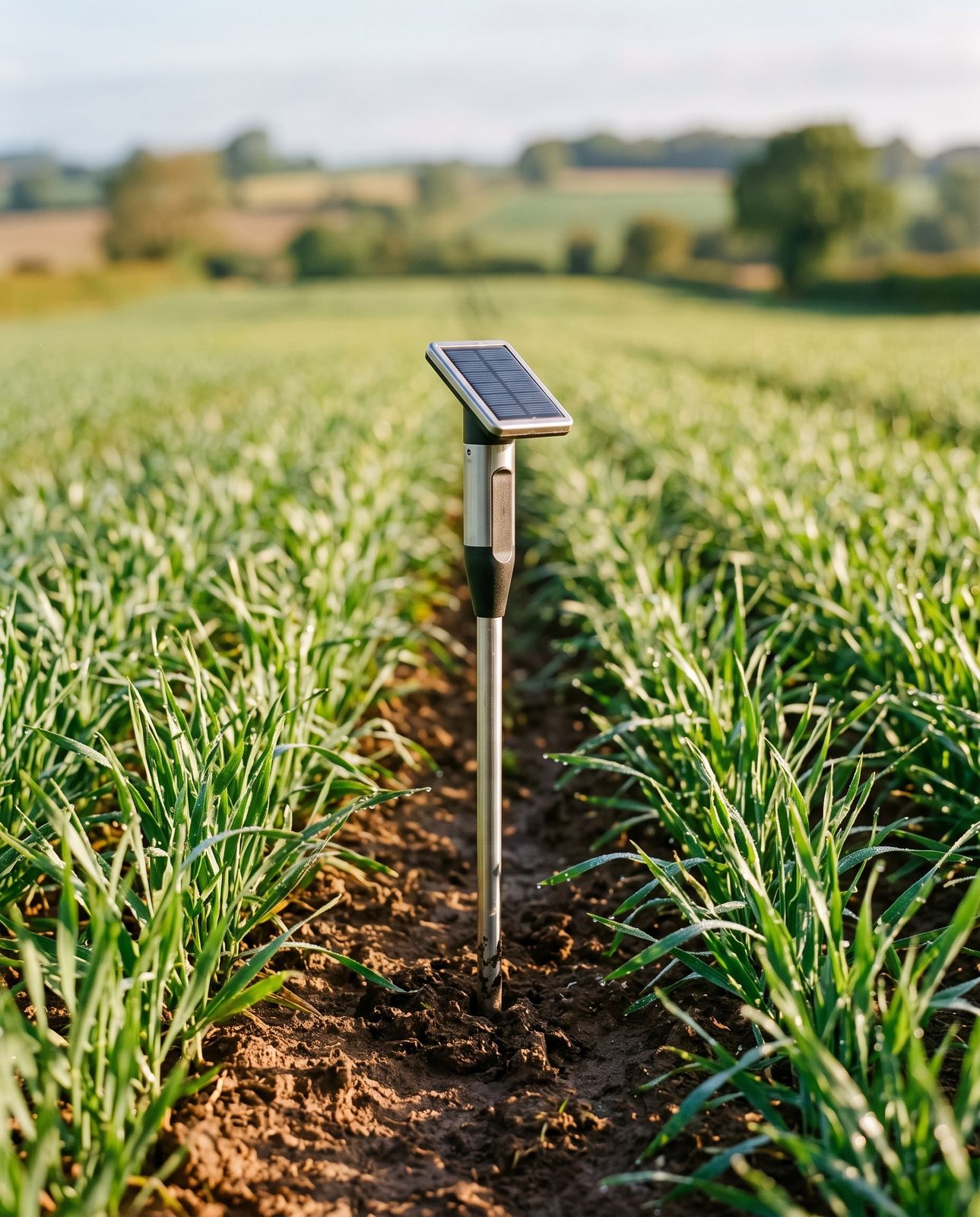
Wireless soil probes, free satellite imagery and lab sampling show a farm what its soil holds and what each euro of fertilizer buys.
HOW WE WORK
We interview before we pilot
We start with farm interviews, then run an 18-month pilot with the cooperatives we interviewed, and expand only the methods that work in the pilot.
Listen
We interview farm managers in person, in Slovak, on the farm. So far we have recorded five interviews, all in the Vranov nad Topľou district.
Pilot
We plan an 18-month pilot with the four cooperatives we interviewed. It costs the farms nothing and places no obligation on them. We measure any savings against each farm's 2026 input costs.
Scale
We offer the methods that cut the pilot farms' input costs to other cooperatives, first in the Košice region, and we publish the results.
ON THE GROUND
Five interviews, one district
In June 2026 we interviewed four cooperatives and one family winery in the Vranov nad Topľou district. The four cooperatives farm 5 670 hectares between them.
Prešov
Prešov has Slovakia's highest unemployment, about 10.6%, and youth unemployment of up to about 20%. All five of our interviews so far took place here, in the Vranov nad Topľou district.
farm interviews: four cooperatives and one family winery
hectares farmed by the four cooperatives
What people ask before joining
Short answers to four common questions.
Who is behind Solvena?
Laura Mária Demčáková and Eloise Olden, two students in Prague. Laura grew up in the district and led every farm interview in Slovak.
Ask next:
GET INVOLVED
Three ways to help
We are looking for partner farms, funders and students. No agreement is signed yet, so what you tell us now still changes the plan.
For farms. Host a free soil baseline or a pilot plot. Pilot sensors are free, and you commit to nothing until you sign a pilot agreement.
For funders. Support the design and pilot phase, with money released against milestones. The full proposal, with sources and a risk register, is available on request.
For students. Help run farm interviews or build the soil-monitoring tools.
© 2026 Solvena · info@solvena.farm
We do not name farms on this site. Each farm owns its data.